
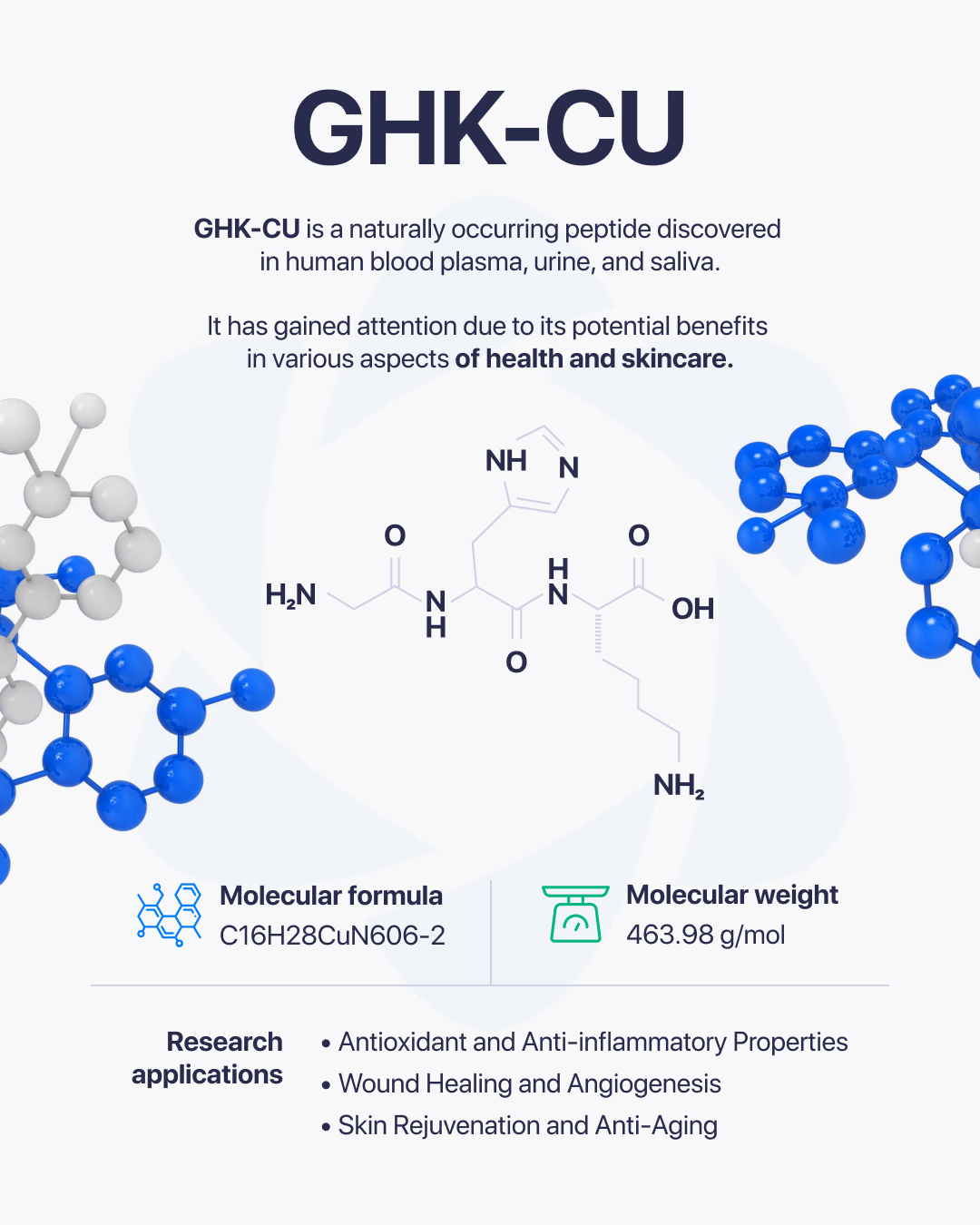
GHK-Cu (glycyl-L-histidyl-L-lysine copper) is a naturally occurring copper-binding peptide found in biological fluids such as plasma and saliva. It is a small tripeptide that readily forms a complex with copper ions.
GHK-Cu has been studied extensively in laboratory and experimental models due to its involvement in cellular signaling, tissue repair, and growth-related processes. To support controlled research, scientists have developed laboratory-produced forms of GHK-Cu to examine its activity in areas such as skin biology, hair research, tissue recovery, and cellular function.
In laboratory studies, GHK-Cu has demonstrated activity related to tissue remodeling and repair mechanisms. Research has shown its involvement in:
(Reference: Maquart et al., 1993; Pickart & Margolina, 2018)
GHK-Cu is widely studied in cosmetic and dermatological research models. Investigations have focused on how it may influence:
(Reference: Campiche et al., 2019; Pickart et al., 2015)
Some research suggests that GHK-Cu may influence inflammatory and oxidative stress markers in experimental models. These effects appear to be associated with changes in gene expression patterns related to cellular protection and stress response.
(Reference: Pickart & Margolina, 2012)
GHK-Cu has also been examined in laboratory models related to nerve growth and neural repair. Researchers are exploring its role in pathways involved in:
(Reference: Pickart & Margolina, 2011)
All products sold by DTC Labs are intended strictly for laboratory research purposes only.
These products are not intended for human or animal consumption and are not for medical, diagnostic, therapeutic, or clinical use.
The information provided on this website is for educational and informational purposes only.

Reach out and get a response within minutes.