
BPC-157 is a synthetic research peptide derived from a naturally occurring protein fragment found in gastric juice. In experimental and preclinical research models, BPC-157 has been studied for its interactions with biological repair and signaling processes.
One primary area of research focuses on how BPC-157 interacts with the nitric oxide (NO) system, a critical molecular pathway involved in circulation, cellular signaling, and tissue response in laboratory studies.
(Reference: Sikiric et al., 2010)
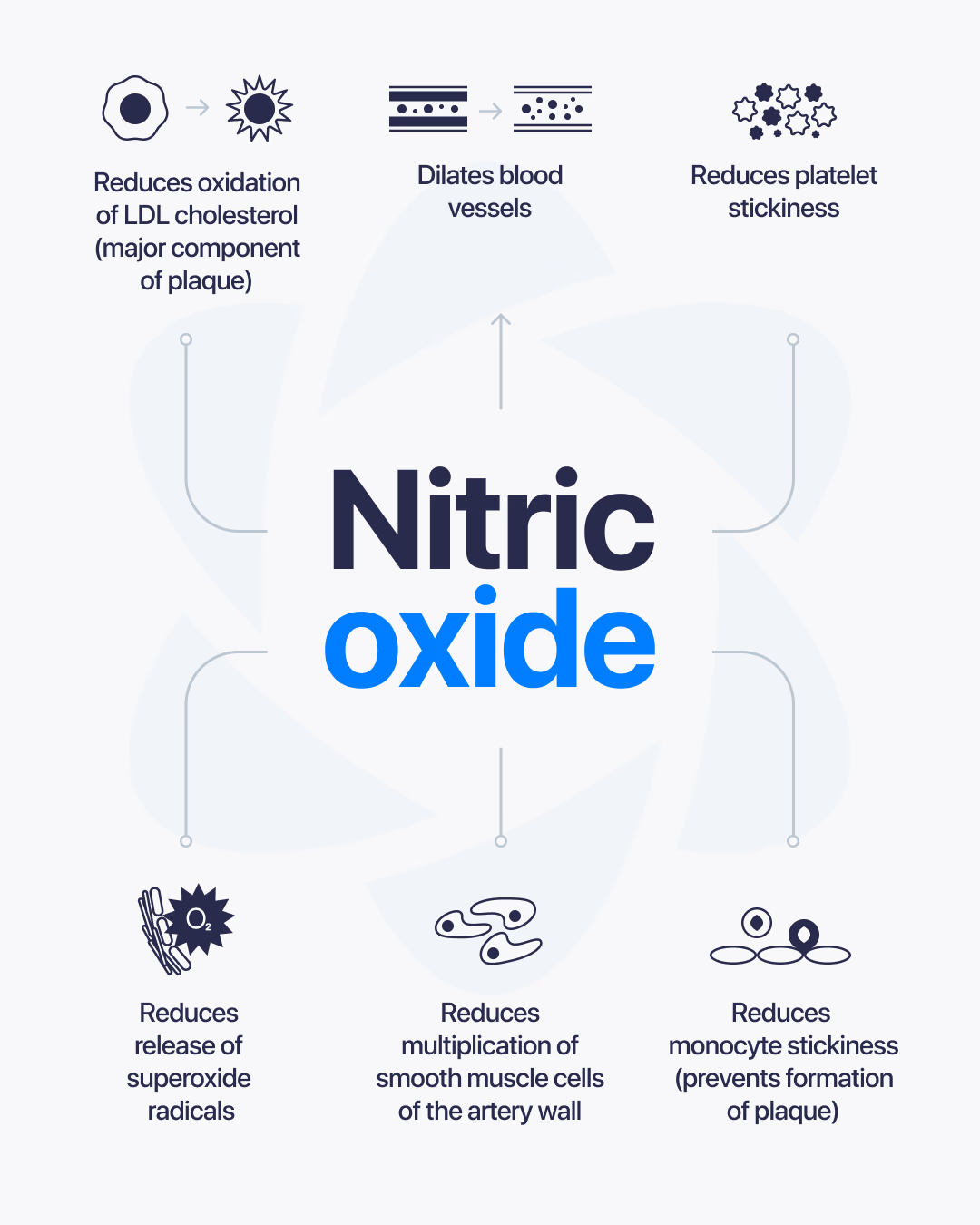
Nitric oxide (NO) is a gaseous signaling molecule produced within the body. In research settings, NO is known to:
Both excessive and insufficient NO levels can disrupt normal biological signaling, which is why researchers study compounds that may help regulate or balance NO activity under experimental conditions.
In animal research models, BPC-157 has been observed to influence the activity of endothelial nitric oxide synthase (eNOS). These changes were associated with measurable effects on vascular function markers in controlled laboratory environments.
(Reference: Vukojević et al., 2013)
In preclinical studies involving muscle, tendon, and nerve injury models, BPC-157 appeared to help restore nitric oxide balance, either increasing or decreasing NO levels depending on experimental conditions.
Research has shown that even when NO production was artificially inhibited or overstimulated, BPC-157 demonstrated the ability to modulate NO signaling. Scientists suggest this effect may involve interactions with additional repair-related pathways, such as vascular endothelial growth factor (VEGF) signaling.
(Reference: Sikiric et al., 2010; Seiwerth et al., 2018)
In preclinical models of vascular stress, BPC-157 has been observed to stabilize nitric oxide signaling and support markers associated with blood vessel integrity. These findings have made BPC-157 a compound of interest in vascular and tissue-response research.
(Reference: Sikiric et al., 2016)
All products sold by DTC Labs are intended strictly for laboratory research purposes only.
These products are not for human or animal consumption and are not intended for medical, diagnostic, therapeutic, or clinical use.
The information provided on this website is for educational and informational purposes only.

Reach out and get a response within minutes.