
Cagrilintide is a synthetic research peptide developed as a long-acting analogue of amylin, a naturally occurring peptide that functions alongside insulin. In laboratory and experimental models, cagrilintide is being studied for its role in appetite-related and metabolic signaling pathways.
Researchers are particularly interested in how cagrilintide interacts with central nervous system receptors involved in appetite signaling, as well as its influence on gastric motility under controlled research conditions.
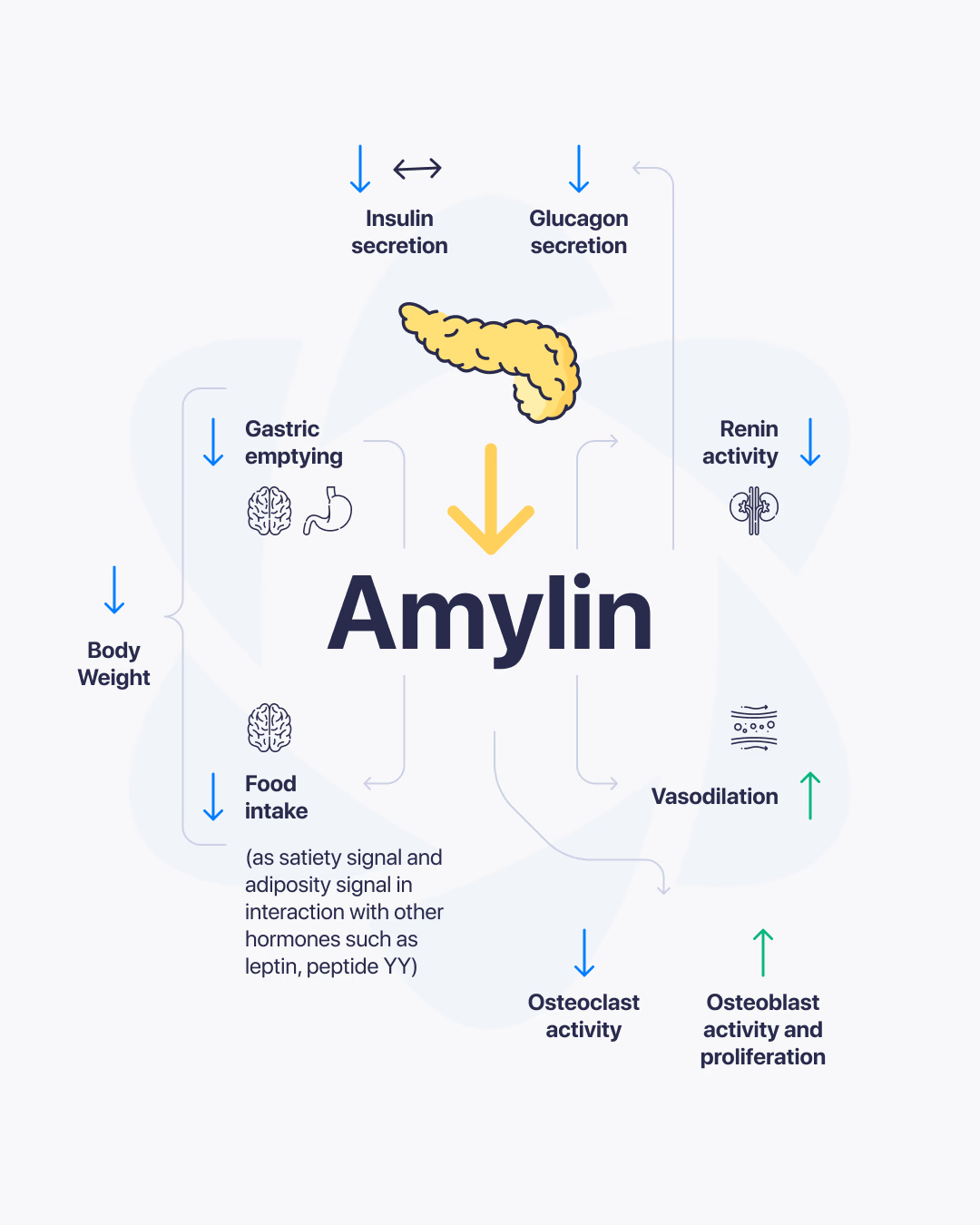
Amylin is a peptide hormone that plays a role in several biological processes studied in research models, including:
Because native amylin is rapidly degraded in the body, researchers have developed longer-lasting analogues, such as cagrilintide, to allow for more consistent observation of these mechanisms during laboratory studies.
In controlled research studies, cagrilintide has demonstrated measurable activity at appetite-associated receptors. This activity has been correlated with changes in food intake markers and alterations in energy regulation and gastric motility in experimental models.
Cagrilintide has been observed in research settings to slow gastric emptying, meaning food remains in the stomach for a longer period of time. This effect is being studied for its relationship to appetite signaling and metabolic stability in laboratory investigations.
Scientists are also examining cagrilintide in combination with GLP-1 analogues, such as semaglutide. Preclinical and clinical research models have explored the combined effects of these peptides, where additive responses in metabolic signaling pathways have been observed.
(Reference: Knudsen et al., 2022)
All products sold by DTC Labs are intended strictly for laboratory research purposes only.
These products are not intended for human or animal consumption and are not for medical, diagnostic, therapeutic, or clinical use.
The information provided on this website is for educational and informational purposes only.

Reach out and get a response within minutes.